
Latest Articles
Steel Storage Containers That Fit Your Job
Oct
A container that looks like a simple metal box can either solve a space problem for years or create an expensive headache on delivery day. Steel storage containers give homeowners, contractors, farms, and businesses secure, transportable space, but the right choice depends on more than length and price. Condition grade, door operation, site access, and intended use all matter before you place an order.
Start With the Job, Not the Container
The best container is the one that fits what you need to store, where it needs to sit, and how long you plan to use it. A homeowner clearing out a garage may need weather protection and easy access for seasonal equipment. A contractor may need a secure job-site unit that can handle tools, materials, and repeated use. A business may need inventory storage near a warehouse, retail location, or event site.
Start by estimating the footprint of the items going inside, then leave room to walk, stack, and retrieve them. Packing a container wall to wall may use every square foot, but it becomes frustrating when the item you need is behind three pallets and a row of equipment.
Think about access, too. Standard cargo doors open at one end, which works well for palletized goods and larger equipment. If you need frequent access to smaller items, shelving, racks, or a modified personnel door can make daily use much easier. That type of planning prevents a storage container from becoming a locked holding area instead of a practical workspace.
Choosing the Right Steel Storage Container Size
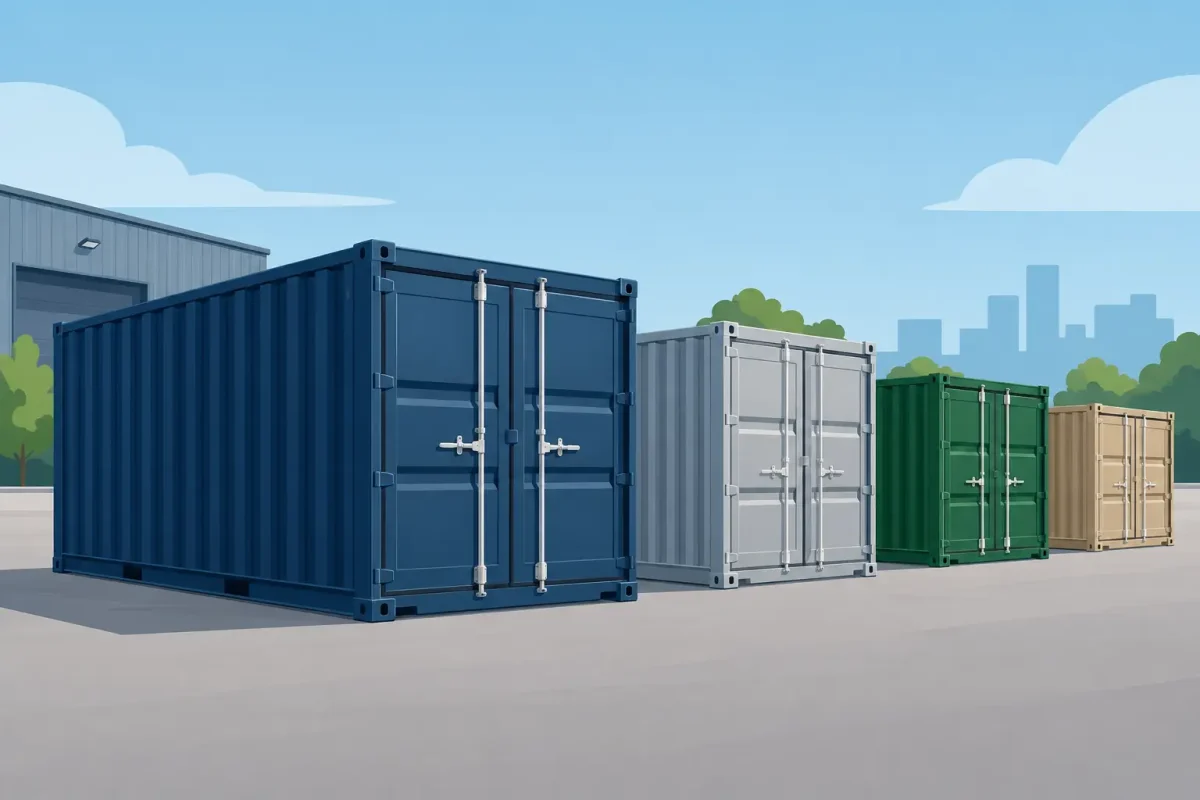
For most buyers, 20-foot and 40-foot containers are the starting point. Each has a different advantage, and the best fit often comes down to available site space and the volume of materials being stored.
A 10-foot container is a compact option for tight residential properties, small construction sites, and locations where a larger delivery truck cannot maneuver easily. It can hold tools, lawn equipment, supplies, or a modest amount of business inventory without taking over the property.
A 20-foot container is one of the most versatile choices. It offers meaningful storage capacity while remaining easier to place than a 40-foot unit. It is a practical fit for contractors storing equipment, landowners securing farm supplies, and homeowners completing renovations or moves.
A 40-foot container provides substantially more room for large inventory, equipment, materials, or long-term storage. It can be a cost-effective choice when one larger unit replaces multiple smaller storage solutions. The trade-off is delivery access. A 40-foot container needs more room for the truck, turning radius, and placement maneuver.
High-cube containers add roughly one extra foot of interior height compared with standard-height units. That added vertical clearance matters when storing tall equipment, installing shelving, building a container office, or planning a conversion. It is not always necessary for basic storage, but it can be worth the added cost when vertical space is part of the plan.
Size Is Also a Delivery Decision
A container must arrive before it can store anything. Check the approach to your site for narrow gates, low branches, overhead lines, soft ground, sharp turns, and parked vehicles. Delivery equipment may need room to back in, tilt, or position the unit depending on the delivery method.
Measure the intended pad, but do not stop there. Measure the route from the street to the placement area. A 20-foot container may fit your site perfectly while still being difficult to deliver if the approach is restricted. Clear site details upfront lead to more accurate delivery planning and fewer surprises.
Understand Container Grades Before You Buy
Condition grades tell you what to expect from the container, and transparent grading is one of the most important parts of a confident purchase. A lower-priced container is not automatically a poor choice. It simply needs to match the job.
A new or one-trip container has typically made a single loaded journey from its point of manufacture. These units usually have a cleaner appearance, newer floors, smoother doors, and fewer visible exterior marks. They are a popular choice for customer-facing locations, residential properties, retail setups, and projects where appearance matters.
A cargo-worthy container meets standards for international shipping. It is structurally suitable for transport and is commonly selected when the container may be shipped overseas or used in applications where its transport condition matters. Cargo-worthy does not mean cosmetically perfect. It may show normal signs of use, including dings, surface rust, and repairs.
A wind-and-water-tight, or WWT, container is designed to keep wind and water out when closed. For many storage applications, this is the practical choice. It provides secure, weather-resistant space for tools, equipment, furniture, materials, and inventory without paying for a cleaner one-trip appearance or shipping certification you do not need.
Used containers can show their working history. Expect dents, paint wear, patches, and surface rust in many cases. Those marks are often cosmetic, but buyers should not assume all used units are the same. Ask for the stated grade and understand what it means for your intended use. Honest grading matters more than a vague promise that a container is in good condition.
Plan the Site for Long-Term Performance
Steel containers are built to carry heavy loads, but they still need a stable, reasonably level base. The four corner castings are designed to bear the weight, so common support options include concrete pads, railroad ties, gravel pads, or properly sized concrete blocks. The best choice depends on soil conditions, drainage, local requirements, and whether the container will be moved later.
Keeping the container level helps the doors operate correctly. A unit that is twisted or uneven may make heavy cargo doors harder to open, even when the container itself is in good condition. Slight elevation also improves drainage and helps keep standing water away from the base.
Avoid placing the container directly on soft, wet soil. Over time, settling can affect door alignment and make the site harder to maintain. If you are storing moisture-sensitive goods, consider a vapor barrier, shelving, pallets, and ventilation. Container floors are durable, but good organization protects both the flooring and the items inside.
Local zoning, setback, and permit rules vary. A temporary storage container may be treated differently from a permanent office, retail shop, pool, cabin, or container home. Check requirements before delivery, especially for visible placements, commercial properties, and modified structures.
Security and Organization Make the Difference
Steel walls and locking cargo doors offer a strong starting point for security, but the lock setup deserves attention. A quality lockbox or protected lock enclosure limits exposed shackle access and adds another layer of deterrence. For high-value tools, inventory, or equipment, security lighting, cameras, and controlled site access may also be appropriate.
Inside, simple organization can add more usable capacity than moving up to a larger container. Pallet racking, wall-mounted shelving, tool hooks, and labeled storage zones make it easier to find what you need without unloading half the unit. Leave a central aisle when possible, particularly if the container will be accessed regularly.
For equipment that produces fumes, chemicals, or heat, storage requirements may be more specific. Standard containers can be modified with vents, electrical service, personnel doors, windows, insulation, or climate-control equipment, but those changes should be planned around the actual materials being stored and applicable safety rules.
Buy, Rent, or Choose a Modified Unit?
Buying makes sense when storage is part of an ongoing operation, property improvement, or long-term project. You control the unit, can modify it for your needs, and avoid recurring rental costs over time. Renting can be more practical for a short construction project, temporary overflow inventory, disaster recovery, or seasonal demand.
A standard container is usually the right answer for straightforward secure storage. A modified unit may be a better investment when people will work inside it or when access and comfort matter. Container offices, retail spaces, workshops, and insulated units solve different problems than basic equipment storage, so compare the finished use rather than assuming every project starts with the same box.
Mega Containers USA helps buyers match container size, grade, delivery needs, and project requirements with clear product categories and straightforward guidance. The goal is not to sell the most expensive unit. It is to make sure the unit arriving at your site is appropriate for the work ahead.
Before you choose, write down what you are storing, how often you need access, the space available for delivery, and how the container will be used a year from now. Those four answers usually point to the right container faster than shopping by price alone.
