
Latest Articles
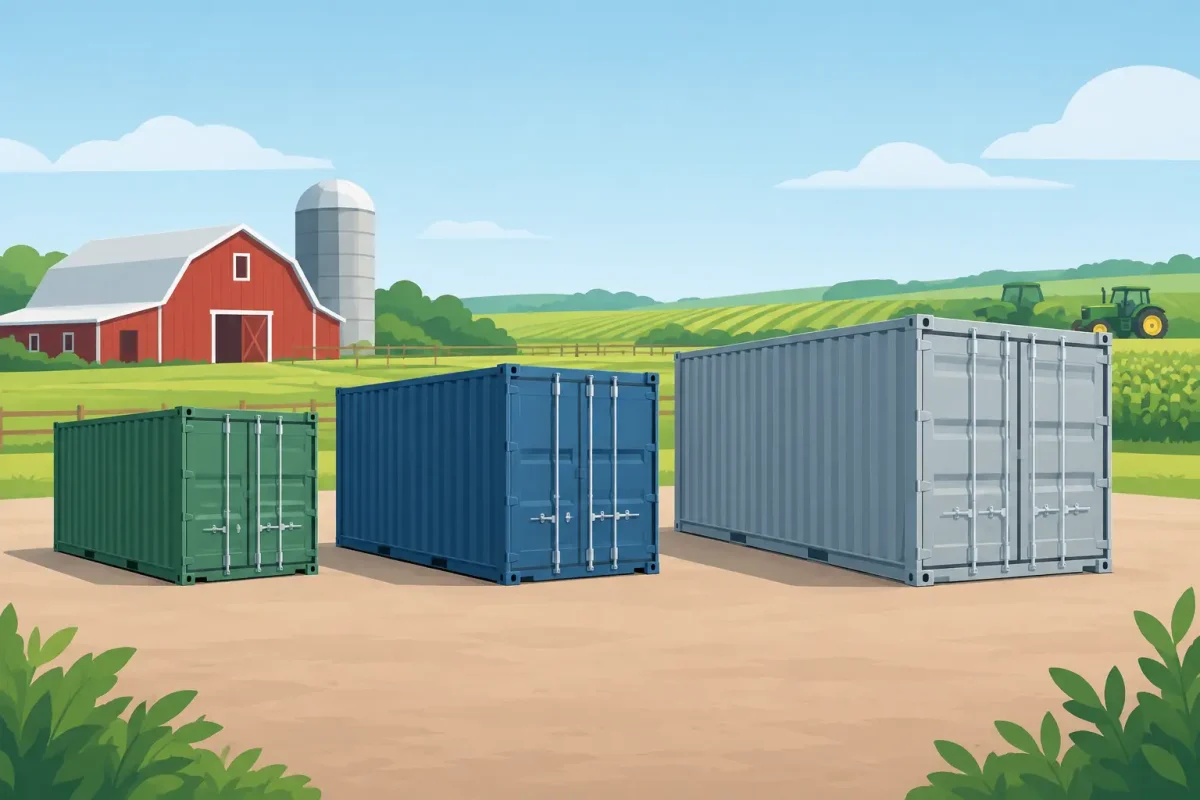
Best Container Sizes for Farms: 10, 20, or 40?
Oct
A farm container earns its keep when it puts frequently used supplies close to the work without becoming a delivery or access problem. The best container sizes for farms usually come down to what you need to store, how often you need to enter it, and where the delivery truck can safely place it. A 10-foot unit can solve a tight-space storage need. A 40-foot unit can replace an overcrowded shed. The right answer is not always the biggest container available.
Before choosing a length, map the equipment, materials, and traffic around the proposed location. Measure gates, drive lanes, overhead branches, power lines, and the clear approach needed for delivery. A steel shipping container is durable, secure, and built for hard use, but it is not easy to reposition once it is loaded.
Start With What the Container Will Hold
Farm storage has a way of expanding. What begins as a place for hand tools may soon hold fencing supplies, irrigation fittings, seed bags, small engines, shop consumables, and seasonal equipment. Make a realistic inventory of what needs to go inside now, then leave room for safe aisles and the next season’s purchases.
A standard container is about 8 feet wide on the outside. Its interior width is roughly 7 feet 8 inches, so a wide mower, pallet rack, or side-by-side can change the layout quickly. Length determines total floor area, but door access matters just as much. If people will retrieve parts every day, avoid packing the container wall to wall simply because the capacity is there.
For sensitive materials, confirm the storage requirements first. Fertilizers, pesticides, fuel-related products, animal feed, and seed may need specific ventilation, temperature control, secondary containment, or separation. A standard steel container can be an excellent secure shell, but it should not be treated as a substitute for required safety practices or local regulations.
Best Container Sizes for Farms by Use Case
10-foot containers: compact storage where space is limited
A 10-foot shipping container offers about 72 square feet of floor space. It is a practical choice for a small acreage, a greenhouse operation, a farm stand, or a remote pasture where there is not room for a long container. It works well for hand tools, electric fencing equipment, irrigation controls, repair parts, tack, packaged supplies, and valuable items that need to stay locked up.
The main advantage is placement flexibility. A 10-foot unit fits more easily beside a barn, near a garden area, or behind a small retail structure. It is also less likely to dominate a residential or customer-facing property.
The trade-off is obvious once larger equipment enters the picture. A compact tractor attachment, a utility vehicle, or multiple pallets can consume the usable length fast. A 10-foot container is best when you have a defined inventory and need secure storage, not when you are trying to solve every farm storage need in one purchase.
20-foot containers: the most versatile farm storage size
For many working farms, a 20-foot container is the best balance of capacity, cost, access, and delivery practicality. It provides about 146 square feet of floor space, enough for organized shelving along one side with a clear central aisle. It can hold feed and supply pallets, tools, fencing materials, small machinery, maintenance items, and seasonal inventory without forcing everything into one stack.
This size is especially useful near a workshop, equipment yard, poultry operation, orchard, or construction area. Contractors and landowners also use 20-foot units as job-site storage during barn construction, drainage work, or property improvements, then keep them for long-term farm use.
A 20-foot container still needs a firm, level location and adequate truck access, but it is generally easier to site than a 40-foot unit. If you are unsure whether the farm will outgrow a 10-foot container, moving up to 20 feet often prevents a second purchase later.
40-foot containers: maximum capacity for high-volume storage
A 40-foot container provides roughly 305 square feet of floor space. That capacity makes sense for larger operations, long equipment storage, bulk supplies, construction materials, or centralized maintenance inventory. It can also serve as a secure base for a farm shop, a packing-area expansion, or a container-based office when properly modified.
The extra length is valuable for storing pipe, lumber, gates, implements, and multiple pallets. With a planned layout, a 40-foot unit can separate supplies by task or season instead of becoming a hard-to-search catchall. High-cube versions add about one extra foot of exterior height, making them useful for taller shelving, bulky materials, or projects that will be finished inside.
However, 40 feet is a serious footprint. Delivery requires more room to maneuver, and the placement area should be selected before ordering. Consider gate width, turning radius, soft ground, slopes, overhead obstructions, and the route from the road to the site. If the container will sit near livestock or high-traffic equipment lanes, leave enough clearance for both doors to open and for operators to work safely around it.
Choose the Condition Grade for the Job
Size is only half the buying decision. The container grade should match the contents, expected lifespan, and appearance requirements.
A new, one-trip container is a strong choice when appearance matters, when you want minimal prior use, or when the unit will become part of a customer-facing farm stand, office, or finished structure. These containers typically have cleaner interiors and fewer cosmetic marks, though they are still working freight equipment rather than showroom products.
A cargo-worthy container meets the structural requirements for international shipping. It is a sensible option when durability and condition are priorities, especially if the container may be moved, transported, or modified for a more demanding project.
A wind-and-water-tight, or WWT, container is commonly a practical farm-storage choice. It is intended to keep the weather out, making it suitable for tools, equipment, boxed supplies, and many general storage needs. Used containers can show dents, surface rust, repairs, and paint variation. Those cosmetic signs are normal, so buy based on the stated grade and intended use rather than expecting a used unit to look new.
Honest grading matters because a low price is not a bargain if the condition does not suit what you plan to store. Ask for clear condition details before committing, particularly if you are protecting expensive tools, sensitive inventory, or finished goods.
Plan the Site Before Delivery Day
A container performs better when it is placed on a prepared, well-drained base. At minimum, keep the corners supported and the unit level enough for the cargo doors to operate properly. Many farm owners use compacted gravel with concrete blocks, piers, or another stable support system suited to their soil and site plan. Keeping the steel off standing water helps reduce corrosion over time.
Think through drainage before the truck arrives. Water running toward the doors can create a muddy work area and make loading frustrating. Leave room around the container for inspection, painting, mowing, and door operation. If you expect to add electricity, lighting, shelving, ventilation, or a personnel door, plan those changes around the storage layout instead of modifying first and organizing later.
Delivery is not just a freight detail. The truck may need a long, straight approach and sufficient clearance to unload safely. Share photos, measurements, gate information, and site conditions early. That makes it easier to identify whether a 10-foot, 20-foot, or 40-foot container is realistic for the property.
Avoid Buying Too Small or Too Large
The most common mistake is choosing a container based only on the current pile of items. Farm operations change with planting schedules, livestock needs, weather events, and equipment purchases. If storage is already crowded, the next size up may be the more economical decision.
At the same time, do not buy a 40-foot container simply because it offers the lowest cost per square foot. A unit that cannot be delivered to the intended site, blocks equipment movement, or sits far from the work area will create daily frustration. Two well-placed 20-foot containers can sometimes be more useful than one 40-foot unit, particularly when you need separate storage zones or have a narrow access route.
The right container should fit the work, the property, and the delivery plan. Start with the inventory, confirm the site dimensions, choose a grade that protects what you store, and leave enough room to use the space comfortably. Mega Containers USA can help match those practical details to a clearly graded container and a delivery plan that works for your farm.
