
Latest Articles
Freight Container Inspection Before You Buy
Oct
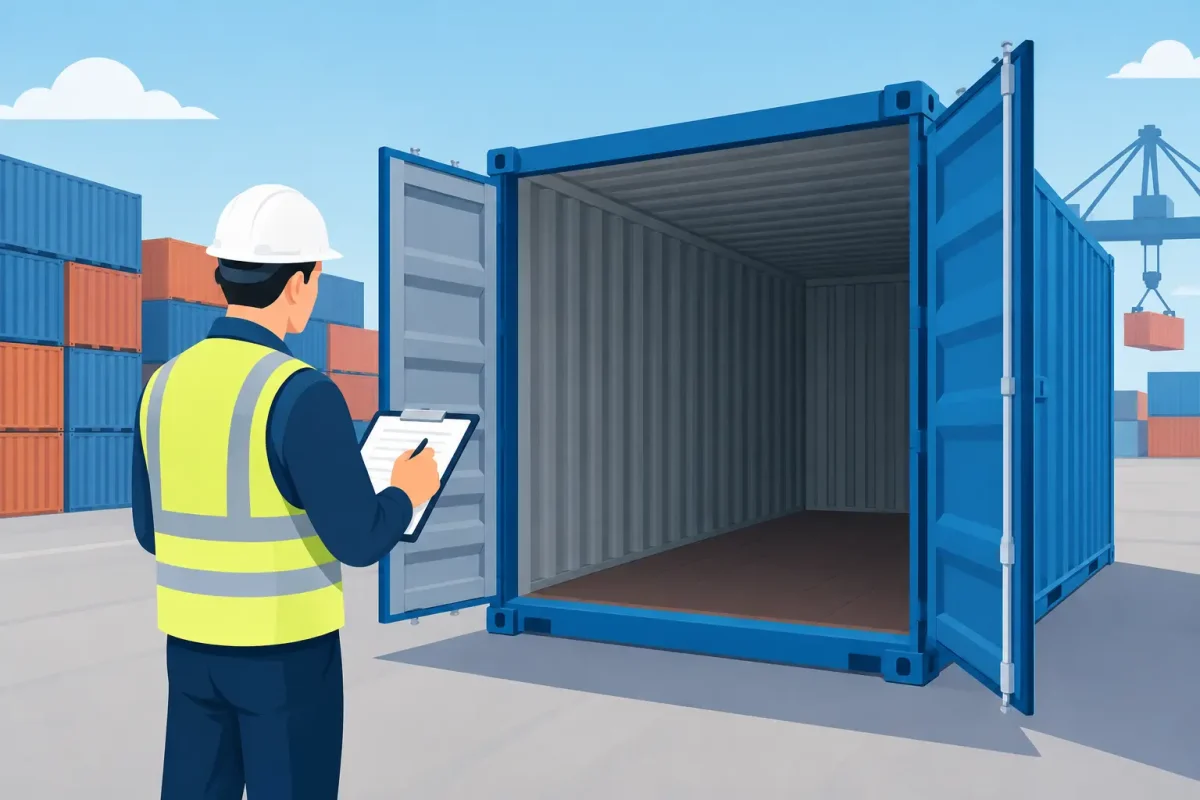
A freight container inspection is where the product description becomes a real purchasing decision. A container can look clean in photos and still have door issues, a worn floor, or structural damage that affects how it performs on your property. Whether you need simple storage, a job-site office, or a base for a custom build, inspect the condition against the work you expect the container to do.
The right level of inspection depends on the container grade, your intended use, and whether you can view the unit before delivery. For a basic equipment shed, cosmetic dents may not matter. For a container home, retail space, or a unit that will be transported loaded, details such as frame condition, roof integrity, floor treatment, and door operation deserve much closer attention.
What a Freight Container Inspection Should Cover
Start with the container’s overall structure. Shipping containers are designed to handle demanding ocean and rail transport, but used units often show the history of that work. Dents, surface rust, patches, and scrapes are normal on many used containers. The question is not whether a used container looks factory-new. The question is whether its condition matches its grade and planned use.
Look first at the corner posts, top and bottom rails, and corner castings. These parts make up the container’s primary frame and carry lifting and stacking loads. A shallow dent in a side panel is usually less significant than a bent corner post or a badly twisted rail. If you plan to move the container again, stack it, or cut major openings for doors and windows, a straight and sound frame matters even more.
The roof deserves special attention. Water can collect in a low area caused by a dent, eventually leading to corrosion or leaks. From inside the unit, look for pinholes, daylight, stains, or fresh repair areas. A wind-and-water-tight container should keep weather out under normal conditions, but it may still have visible repairs, exterior rust, and cosmetic wear.
Doors are another practical test. Open and close both doors fully. The locking bars should turn without excessive force, the cams should engage correctly, and the door seals should sit evenly against the frame. A container with difficult doors is not automatically a bad buy, especially if it will remain in one place, but repairs should be factored into the decision before delivery.
Check the floor from above and below
Most standard dry freight containers have marine-grade plywood flooring over steel crossmembers. Inspect the floor for soft spots, delamination, holes, heavy staining, and uneven areas. Walk the full length of the container, paying extra attention near the doors and corners where wear is common.
Floor markings can also tell you something about prior cargo. A few scuffs from pallets are expected. Strong chemical odors, oily residue, unexplained powder, or deep contamination are different concerns. If the container will hold household items, food-related products, tools, or finished goods, ask about prior use and choose a condition grade appropriate for a clean interior.
If the container is being placed on a prepared site, check the underside when practical. Crossmembers should not be severely bent, rusted through, or missing. You do not need a showroom-perfect undercarriage for stationary storage, but you do need a foundation that supports the unit at its corner castings and keeps it level.
A Practical Freight Container Inspection Checklist
Before accepting a container or approving a purchase based on inspection photos, confirm these five areas:
- Identification and size: Verify the container number, exterior dimensions, and whether it is a standard-height or high-cube unit. This prevents surprises when planning site access, placement, or modifications.
- Frame and exterior panels: Check corner posts, rails, castings, roof panels, sidewalls, and visible repairs. Note anything that could affect lifting, stacking, weather protection, or the location of future cutouts.
- Doors and seals: Test each door, locking bar, hinge, and gasket. Doors should close securely without needing to be forced into place.
- Interior and floor: Look for leaks, odors, holes, moisture, soft flooring, and signs of prior cargo damage. Make sure the interior condition fits what you will store or build inside.
- Grade documentation: Confirm the advertised grade and ask what it means for that specific unit. Terms such as one-trip, cargo-worthy, and wind-and-water-tight describe different condition and use expectations.
Photographs and videos are useful when inventory is located outside your area, but they should be specific. Ask for clear images of all four sides, the roof if available, the interior, floor, door ends, container number, and any noticeable repairs. A good supplier should be clear about whether photos show the exact unit or a representative container from the same grade.
How Container Grades Change the Inspection
A one-trip container is typically the closest option to new condition. It has usually made one loaded trip from the manufacturer and may show minor handling marks. It is a strong fit when appearance matters, when you are building a customer-facing space, or when you want a cleaner starting point for a conversion. Even then, inspect doors, flooring, and exterior condition because one-trip does not mean untouched.
A used cargo-worthy container is generally intended for international shipping and may have a current CSC plate or other certification status required for transport. Cargo-worthy condition is the right conversation if you intend to load the container for ocean or international movement. Confirm the current certification requirements with the carrier or freight provider, since a plate alone does not guarantee acceptance for every shipment.
A wind-and-water-tight, often called WWT, container is usually suited to secure, weather-resistant storage. It should have functioning doors and keep wind and rain out, but it is not automatically certified for international cargo transport. WWT can be a cost-effective choice for tools, landscaping equipment, inventory, and seasonal storage when cosmetic wear is not a concern.
For a container office, shop, cabin, pool project, or home conversion, the best grade depends on the design. A used unit can be an excellent value when the structure is straight and planned cladding will cover exterior wear. A one-trip unit may be worth the added cost when visible finish quality, cleaner floors, or less prep work are priorities. The lowest upfront price is not always the lowest project cost once repairs, coating, and fabrication are included.
Inspect Again at Delivery
Your delivery day is the final checkpoint. Before the driver leaves, compare the delivered container to the order details: size, grade, door configuration, and any agreed features. Walk around it while it is still accessible, open the doors, and take photos of the exterior and interior.
Do not place the container on uneven ground and assume the doors will work normally afterward. Containers are built to be supported at the corner castings. A level, compacted base or properly designed piers help protect the frame, improve door operation, and reduce water pooling beneath the floor. Delivery access matters too. Confirm overhead clearance, turning room, and enough open space for the truck and unloading method.
If you see a concern, document it immediately with photos and notes. Small issues are easier to address when the condition is clearly recorded at delivery rather than discovered weeks later after the container has been loaded or modified.
When a Professional Inspection Makes Sense
For ordinary on-site storage, a clear grading description, detailed photos, and a delivery-day check are often enough. A more formal inspection is worth considering when the container will carry high-value cargo, be used for international transport, support a significant conversion budget, or be purchased in a condition that is difficult to verify remotely.
Mega Containers USA helps buyers match container condition to the project instead of paying for a grade they do not need or receiving one that falls short. Clear questions before purchase lead to a better container, a smoother delivery, and fewer surprises once it reaches your site.
A container is built to work hard, but it should work hard for your specific plan. Inspect the structure, confirm the grade, prepare the site, and choose the unit that gives you the right balance of condition, cost, and long-term utility.
