
Latest Articles
Refrigerated Container Temperature Range Explained
Sep
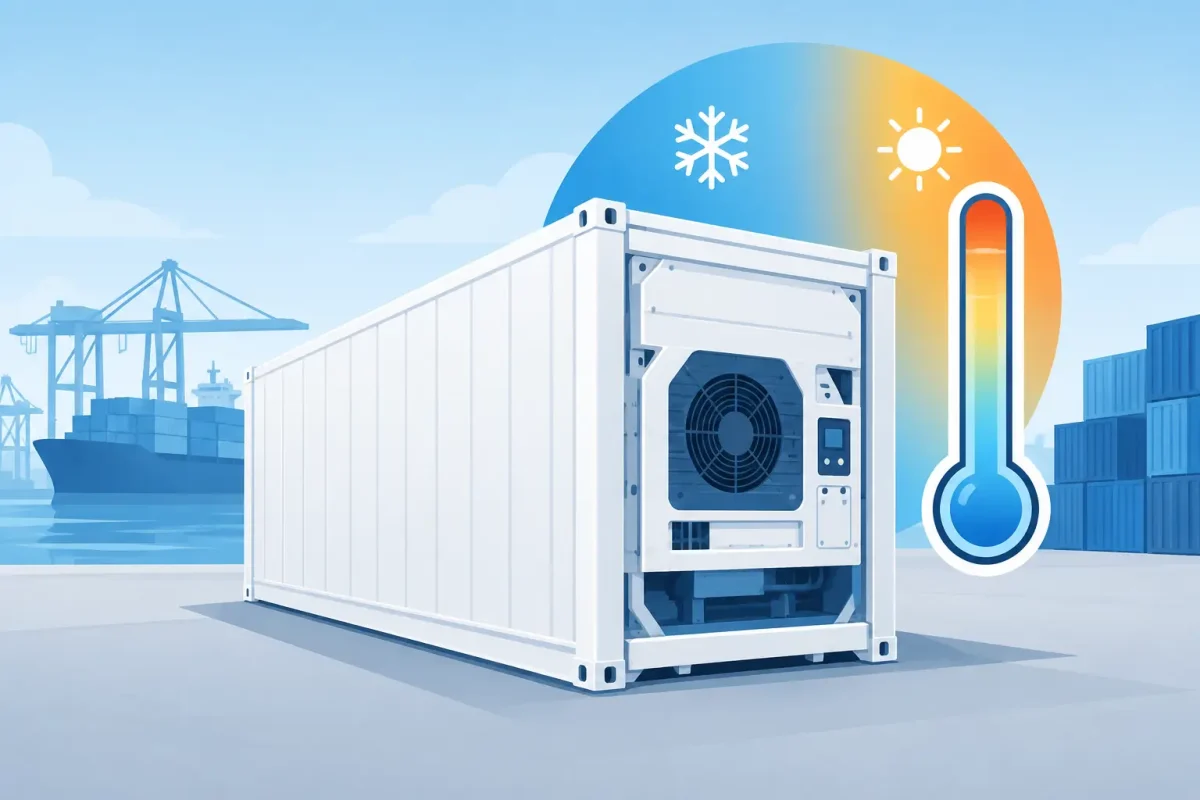
A refrigerated container is not simply a shipping container with cold air inside. It is an active temperature-control system, and the required refrigerated container temperature range should drive your equipment choice before you consider size, condition, or delivery. A unit that can hold frozen food at -10°F has different demands than one keeping flowers at 45°F or protecting heat-sensitive materials from summer temperatures.
For buyers planning cold storage at a job site, farm, warehouse, restaurant, event venue, or remote property, the right question is not just, “How cold does it get?” You also need to know how accurately the unit holds its setpoint, what power is available at your site, and whether the cargo will be loaded chilled, frozen, or warm.
Refrigerated Container Temperature Range Basics
Most conventional refrigerated shipping containers, also called reefers, are built to maintain temperatures across a broad range. Many standard units operate at approximately -13°F to 86°F (-25°C to 30°C). Some equipment is designed for lower-temperature service and may reach about -22°F to -31°F (-30°C to -35°C), depending on the refrigeration machinery and container model.
Those numbers are a useful starting point, not a universal specification. The actual refrigerated container temperature range varies by manufacturer, age, refrigerant system, controller, ambient conditions, and maintenance history. Always confirm the operating range and test the refrigeration unit before committing to a container for a temperature-critical application.
A reefer controls the air temperature circulating through the container. It does not quickly pull a large load of warm products down to temperature. If you load room-temperature produce, beverages, or meat into a container set to 35°F, the equipment may run continuously while the product cools slowly, if it can cool the load adequately at all. Reefer containers are primarily designed to maintain properly pre-cooled cargo.
Setpoint Temperature vs. Product Temperature
The setpoint is the temperature entered into the reefer controller. Product temperature is the internal temperature of the goods being stored. They are related, but they are not the same.
For example, a container set to 34°F may show the correct return-air temperature while pallets in the center of a tightly packed load remain warmer. Air must circulate around and through the cargo for the refrigeration system to work as intended. Dense loading, blocked floor channels, damaged door gaskets, or frequent door openings can all create warmer zones.
This distinction matters most for food safety, pharmaceuticals, florals, and any inventory with a narrow acceptable range. If the cargo has compliance requirements, use calibrated data logging and verify product temperature independently. The display on the reefer controller is valuable, but it is not a substitute for a documented monitoring plan.
Common Temperature Setpoints by Use
The correct setting depends on the product, its packaging, how long it will remain in storage, and the supplier’s handling requirements. A few common ranges provide a practical reference.
Frozen foods are commonly held at 0°F or below, with many products stored around -10°F to -20°F. Ice cream often requires the colder end of that range. Chilled meat, dairy, and seafood are commonly kept near 28°F to 34°F, but exact requirements vary by product and local food-safety rules.
Fresh produce is more complicated. Apples, leafy greens, and berries generally need cool conditions, often in the low- to mid-30s°F. Bananas, tomatoes, and other chill-sensitive produce can be damaged if held too cold. Flowers are often kept around 34°F to 45°F, depending on the variety. A single “produce setting” does not exist, so follow the commodity-specific recommendation.
Reefers are also used for controlled cool storage rather than freezing. Beverage overflow, chocolate, candles, electronics, lab supplies, and temperature-sensitive construction materials may need protection from heat more than they need deep refrigeration. In these cases, a moderate setpoint can be appropriate, but the unit still needs reliable electrical service and enough space for airflow.
Some cargo needs humidity control, fresh-air exchange, or controlled-atmosphere capability in addition to temperature. Standard reefer containers can manage ventilation settings on many models, but that does not make every unit suitable for specialized produce or medical storage. If your inventory has a strict specification, verify the controller features and available options before purchase.
What Affects Temperature Performance?
The equipment rating is only one part of temperature performance. Site conditions and operating habits can determine whether a reefer holds its target temperature consistently.
Ambient weather creates the first challenge. A refrigerated container working through a hot Texas afternoon has a larger heat load than the same container operating in mild weather. Direct sun, hot pavement, poor ventilation around the machinery, and repeated door openings all increase the work required from the refrigeration unit. Extreme cold can also affect operation, especially when a unit must maintain a warmer interior temperature.
Power is equally critical. Most refrigerated containers require three-phase electrical power, commonly 460V, with the correct receptacle and circuit capacity. Some applications use a generator set, known as a genset, when shore power is unavailable. Before delivery, confirm voltage, phase, plug type, cable routing, and the condition of the electrical supply. A reefer cannot protect valuable cargo if the power source is undersized or unreliable.
Loading practices matter more than many first-time buyers expect. Do not stack goods tightly against the walls, ceiling, or refrigeration machinery. Keep the T-shaped floor channels clear so supply air can move beneath the cargo. Leave room near the doors and use suitable pallet patterns where possible. A container packed wall-to-wall may have less usable temperature performance than a slightly less full container with proper circulation.
Finally, condition matters. A used reefer can be an excellent value when it has been properly inspected and tested, but a refrigerated unit should be evaluated differently than a standard dry container. The refrigeration machinery, insulation, doors, gaskets, floor, controller, and electrical components all affect its suitability. Cosmetic wear may be acceptable; unreliable cooling performance is not.
Choosing the Right Reefer Container
Start with the temperature range your product requires, then add a safety margin. If your goods must remain at 35°F, do not assume any available refrigerated container will perform identically under peak summer conditions, frequent access, and a full load. Ask for the unit’s tested performance and confirm that its machinery is appropriate for the target setpoint.
Size is the next practical decision. A 20-foot refrigerated container can work well for smaller inventory volumes, tight sites, and businesses that need a manageable cold-storage footprint. A 40-foot reefer offers substantially more capacity for larger food-service operations, farms, distributors, and seasonal inventory. Keep in mind that internal dimensions are reduced by insulation and refrigeration equipment compared with a standard dry container of the same exterior length.
New or one-trip equipment generally offers the most predictable condition and modern components, while used units can reduce upfront cost. The trade-off is straightforward: lower purchase price may come with more wear, an older refrigeration system, or a shorter remaining service life. For temporary overflow storage, that may be a sensible choice. For high-value product or continuous commercial operation, newer equipment and a documented inspection can be worth the added investment.
Mega Containers USA can help buyers match container size, available condition, delivery access, and site power requirements before the unit is delivered. That planning is especially useful when refrigeration is part of a larger project, such as a commercial kitchen, farm operation, job-site support area, or retail buildout.
Plan the Site Before Delivery
A reefer needs more than a level spot. Plan clear access for the delivery truck, enough overhead clearance, and room to open both cargo doors fully. The refrigeration machinery needs airflow around its front end, so do not place the container tightly against a wall, fence, or another container.
Prepare the electrical connection before the container arrives. Have a qualified electrician confirm the service and install the correct connection point. If the unit will use a genset, account for fuel access, noise, maintenance, and run time. It is far easier to solve these details before inventory is waiting on the dock.
For long-term storage, establish simple operating procedures: inspect door gaskets, keep drains clear, limit unnecessary door openings, record temperatures, and schedule preventive service. A reefer is durable industrial equipment, but it performs best when treated as an active refrigeration asset rather than a passive steel box.
The best refrigerated container is the one that holds your required temperature reliably in your actual site conditions. Confirm the setpoint, power plan, product-loading method, and equipment condition up front, and your cold storage can remain as practical and dependable as the rest of your operation.
