
Latest Articles
Shipping Container Pools: The Backyard Trend Taking Over in 2026
Jan
Table of Contents
- Why Container Pools Are Everywhere Right Now
- What a Shipping Container Pool Actually Is
- How Much a Container Pool Actually Costs
- Container Pools vs. Traditional Pools
- What to Check Before You Buy
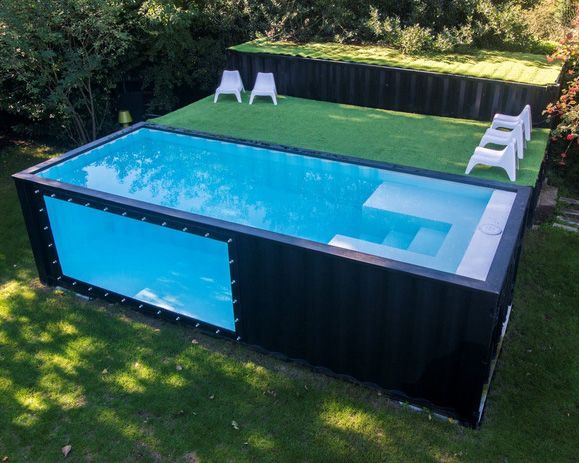
If your social feed has been full of sleek, rectangular backyard pools with exposed steel edges lately, you’ve been watching one of 2026’s fastest-growing outdoor trends in real time. Shipping container pools have gone from a niche novelty to a mainstream backyard upgrade, and the reasons behind that shift come down to speed, cost, and a genuinely distinctive look that a poured-concrete pool just can’t match.
Why Container Pools Are Everywhere Right Now
Three things are driving the surge:
Installation speed. A traditional in-ground pool build can take weeks of excavation, forming, and curing before it’s ever usable. A container pool arrives pre-built and can often be installed in as little as a day once the site is prepped — a massive difference for homeowners who don’t want a summer lost to construction.
Design appeal. The long, narrow rectangular shape and exposed metal siding give container pools a modern, industrial look that pairs naturally with the broader container architecture trend already popular in home design. That shape also happens to be genuinely ideal for lap swimming, which traditional round or kidney-shaped pools rarely offer well.
Space efficiency. Because container pools are long and narrow rather than wide, they fit into tight urban yards and awkward lot shapes where a standard pool footprint simply wouldn’t work.
What a Shipping Container Pool Actually Is
A shipping container pool starts as a real steel freight container — typically in the 20ft to 40ft range — retrofitted with a waterproof interior lining, structural reinforcement, plumbing, and filtration. Some builders use recycled cargo containers directly; others manufacture custom steel shells built to pool specifications from the start. Either way, the appeal is the same: you get a genuinely durable, corrosion-resistant structure that would otherwise take months to replicate with traditional pool construction.
How Much a Shipping Container Pool Actually Costs
Pricing varies more than you might expect, largely based on finish level and installation approach:
- DIY kits (a raw container shell plus liner and hardware) typically run in the $10,000–$30,000 range, depending on design complexity
- Fully installed container pools generally land between $35,000 and $65,000 including delivery and basic installation
- Premium, fully custom builds with high-end interior finishes, heating, and landscaping integration can push toward $100,000
For comparison, that upper range still often comes in below a comparably sized custom in-ground concrete pool once you account for the full site work, forming, and finishing a traditional build requires.
Container Pools vs. Traditional Pools
Where container pools win: installation speed, distinctive design, better fit for narrow or tight yards, and a genuinely strong option for lap swimming specifically.
Where traditional pools still win: shape flexibility (if you want a curved or freeform design, a container won’t get you there), and potentially resale perception in markets where buyers aren’t yet familiar with container pools as a category.
Worth knowing either way: used shipping container pools do exist on the resale market at lower prices than new builds, but they carry real inspection risk — corrosion, liner damage, and missing or worn equipment are all more likely on a secondhand unit, so a careful inspection before buying used matters even more here than it does for a standard storage container.
What to Check Before You Buy
- Permits and local code. Pools are almost universally regulated at the local level regardless of construction method — container pools still need permits, and many jurisdictions require the same safety fencing rules as any other pool. The Pool & Hot Tub Alliance, the industry’s national standards body, develops many of the safety standards that local codes are built on, and is a useful reference point regardless of which pool construction method you choose.
- Site prep and access. Even though the pool itself arrives pre-built, you still need proper excavation or leveling, plus delivery access wide enough for the container itself.
- Heating and equipment budget. Filtration, heating, and accessories are separate line items from the base container cost — build these into your total budget from the start rather than treating the container price as the full number.
- Builder reputation and warranty. Because this is still a relatively young product category compared to traditional pool construction, checking a builder’s track record and what’s actually covered under warranty matters more than it might for an established pool contractor.
If a container pool has you thinking about container structures more broadly, our 20ft and 40ft container inventory covers the same size range most pool builders start from, and our container modification services team can talk through structural requirements if you’re sourcing a shell for a custom pool build.
Sources: Angi 2026 shipping container pool cost guide; ContainerPoolUSA 2026 pricing guide; ShippingContainerPool.net homeowner guide.
