
Latest Articles
Used Shipping Containers Are Staying in the US | The Untold 2026
Oct
Table of Contents
- Why Containers Are Being Pulled Out of Circulation
- What Happens to These Containers
- Why This Trend Matters for Buyers
- Choosing the Right Container for a Permanent, Ground-Based Use
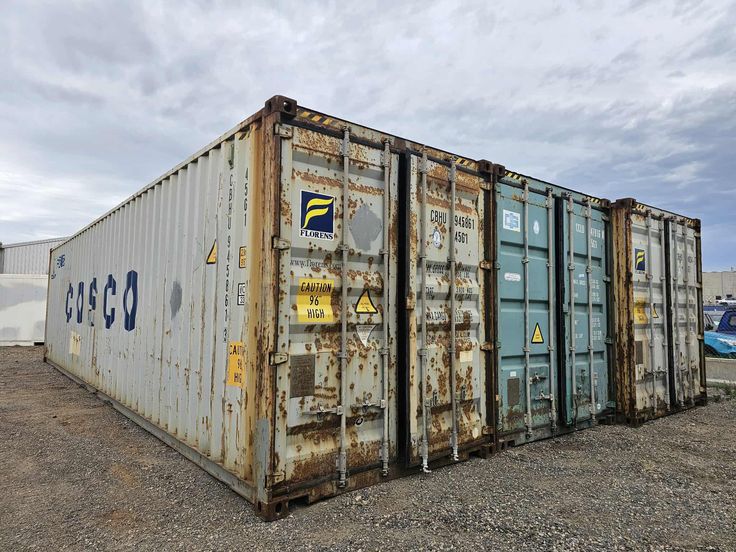
For most of container shipping history, the life cycle of a container was simple: build it, load it, sail it, unload it, reload it, and keep it circulating through global trade for as long as it holds up. That cycle is changing. A growing share of used shipping containers arriving in U.S. ports are never going back into international shipping at all — they’re being pulled out of circulation permanently and repurposed as long-term domestic assets. It’s one of the more overlooked but genuinely significant shifts happening in the container market right now.
Why Used Shipping Containers Are Being Pulled Out of Circulation
A few forces are driving this shift at once:
Trade imbalances leave containers stranded. When more goods flow into a region than flow back out, containers pile up faster than shipping lines can economically reposition them empty. Container xChange, a leading container leasing and logistics marketplace, tracks these regional imbalances closely — rather than pay to ship an empty box back across an ocean, it often makes more financial sense for owners to sell that inventory into the domestic resale market instead.
Domestic demand for steel structures has grown independently. Construction costs, storage needs, and interest in modular building have all climbed at the same time that container supply has been sitting at ports. That’s created a genuinely separate demand curve — buyers who want to own a container outright for permanent use, not lease space on one for a single voyage.
The “one-trip” market has matured. Buyers have gotten more sophisticated about condition grading, understanding that a container doesn’t need to go back to sea to still have decades of useful structural life left in it for ground-based use.
What Happens to These Containers
Once a container exits international circulation, it tends to land in one of a few durable use categories:
- Farm and ranch storage — feed, equipment, and seasonal inventory storage that needs to be secure and weatherproof without the cost of building a barn
- Job-site storage and lockboxes — construction companies keeping tools and materials secure on active sites
- Commercial property storage — businesses adding secure, low-cost storage capacity without expanding their leased footprint
- Residential land use — everything from simple backyard storage to full container home and ADU conversions
- Small business retail conversions — kiosks, coffee shops, and pop-up retail booths built from single containers
This is a meaningfully different afterlife than the shipping industry’s original design intent, but it’s exactly why container condition grading (New, Cargo-Worthy, Wind & Watertight, As-Is) has become such an important part of buying decisions — a container’s remaining lifespan for ground-based use depends heavily on which tier you’re buying, and price should reflect exactly that.
Why This Trend Matters for Buyers
If you’re shopping for a container right now, this shift works in your favor in a few concrete ways:
More inventory variety at every condition tier. Because containers are leaving international circulation at a steady pace, the domestic resale market has a wider spread of conditions and price points than it did when containers mostly moved through leasing companies alone.
Grading transparency is now a competitive advantage for sellers. As more buyers understand the real difference between condition grades, sellers who explain exactly what they’re selling — rather than using vague, feel-good language like “great condition” — tend to earn more trust and repeat business.
Regional pricing varies more than ever. Because this trend is driven partly by where trade imbalances happen to leave containers stranded, availability and pricing can vary significantly by region — worth checking local inventory rather than assuming national pricing trends apply directly to you.
Repurposing containers instead of scrapping them also lines up with EPA guidance on reuse over recycling in the waste-reduction hierarchy — reuse avoids the energy cost of melting down and reprocessing steel entirely, making container repurposing one of the more genuinely sustainable choices in the construction and storage space.
Choosing the Right Container for a Permanent, Ground-Based Use — Used Shipping Containers Repurposed
If you’re buying a container that’s never going back to sea, a few things matter more than they would for a pure freight buyer:
- Structural soundness over cosmetic condition — a Cargo-Worthy or Wind & Watertight unit is often the smarter buy than paying a premium for New/One-Trip cosmetics you’ll cover with paint, cladding, or interior finishing anyway.
- Floor condition — for ground-based storage or conversion, floor integrity matters more than it would for a single ocean voyage.
- Local delivery logistics — since you’re not shipping this container anywhere else afterward, confirming site access and foundation requirements up front avoids costly surprises.
Browse our full range of condition tiers across 20ft and 40ft containers, and see our container grading guide to understand exactly what you’re paying for at each tier before you buy.
Sources: Lease Lane Containers 2026 market trends report; Beroe Inc. container shipping procurement outlook.
