
Latest Articles
Why Refrigerated Container Demand Is Surging in 2026 — What Buyers Need to Know
Oct
Table of Contents
- What’s Actually Driving Reefer Demand
- Reefers Are a Different Purchase Than a Standard Container
- Who’s Actually Buying Reefers Right Now
- What This Means If You’re Considering a Reefer
While the broader shipping container market has been cooling toward oversupply, one category has been moving in the exact opposite direction: refrigerated containers, commonly known as reefers. Refrigerated container demand has been climbing at a pace well ahead of the overall container market, and the reasons behind that surge tell you a lot about where the wider economy is headed.
What’s Actually Driving Reefer Demand
Cold-chain logistics are expanding fast. As more of the food supply chain shifts toward fresher, less-processed products with shorter shelf lives, the infrastructure needed to keep those products cold from farm to shelf has to expand right along with it. The Global Cold Chain Alliance, the leading industry association for temperature-controlled logistics, has tracked this expansion closely — reefer containers are a flexible, deployable piece of that infrastructure, able to function as mobile cold storage without the capital cost of a permanent cold-storage building.
Pharmaceutical and medical shipping requirements are getting stricter. Temperature-sensitive pharmaceuticals, vaccines, and medical supplies increasingly require documented, controlled-temperature handling throughout their entire supply chain, guided by FDA cold chain storage and distribution requirements. That regulatory and quality-control pressure is pushing more buyers toward dedicated refrigerated storage and transport rather than general-purpose cold rooms.
E-commerce keeps eating into categories that need cold shipping. As online grocery and direct-to-consumer perishable goods (meal kits, specialty foods, fresh flowers) keep growing, the businesses fulfilling those orders need more distributed cold storage capacity — often in locations where building permanent cold storage isn’t practical or fast enough.
Reefers Are a Different Purchase Than a Standard Container
If you’ve bought a standard dry container before, it’s worth resetting expectations before shopping for a reefer — you’re evaluating a meaningfully different product, not just a colder version of the same box.
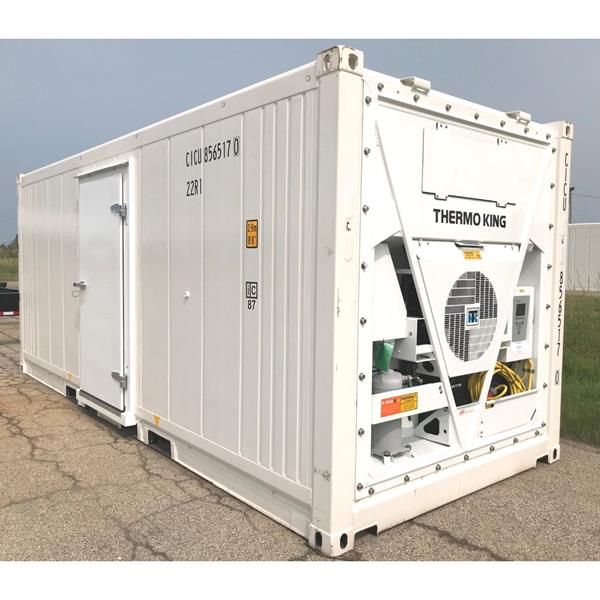
You’re buying a refrigeration system, not just a steel shell. The compressor, condenser, and control system are the most expensive and most failure-prone components, and their condition matters more to long-term value than the exterior paint ever will.
Brand and service history matter. Refrigeration units from well-established manufacturers are generally easier to service and source parts for down the line — worth asking directly which brand is installed on any unit you’re considering, since it’s not always obvious from photos.
New vs. used comes down to run-hours, not just cosmetics. On a dry container, “new” mostly buys you a cleaner look. On a reefer, it buys you a compressor and refrigeration system with zero accumulated wear — a genuinely different value proposition, especially for buyers planning continuous or near-continuous cooling operation.
Power requirements need planning up front. Every reefer needs a reliable, adequately-rated power connection to run continuously. Confirming your site’s available voltage and amperage before you order saves a lot of frustration after delivery.
Who’s Actually Buying Reefers Right Now
The demand surge isn’t limited to large logistics companies. We’re seeing steady interest from:
- Restaurants and food distributors needing overflow cold storage without a costly building expansion
- Farms and agricultural operations storing produce, dairy, or seed stock that requires stable temperatures
- Small pharmaceutical and lab supply businesses that need documented, controlled-temperature storage on-site
- Event and catering companies needing high-volume temporary cold storage for large bookings
What This Means If You’re Considering a Reefer — Refrigerated Container Demand Outlook
Because demand is outpacing supply growth in this category, well-maintained reefer inventory — particularly units with recognized refrigeration brands and clear service history — tends to move faster and hold value better than general dry container inventory. If a reefer is part of your near-term plans, it’s worth acting on solid inventory when you find it rather than waiting, since this is one corner of the container market where “it’ll still be there next month” is a riskier bet than usual.
Browse our current refrigerated container inventory, including both new and used condition options, or get in touch to confirm power requirements and refrigeration specs for your specific cold-storage project.
Sources: America Conex 2026 shipping container market trends report; Beroe Inc. container shipping procurement outlook.
