
Latest Articles
Shipping Container Homes for Sale: The Complete Mega Containers USA Buying Guide 2026
Sep
At MegaContainersUSA, we get asked the same questions on a near-daily basis: How much does a container home actually cost? Is it legal where I live? What’s the difference between a “converted container” and a real prefab home? We built this guide to answer those questions in one place, based on what we see buyers actually run into during the process — from first inquiry through delivery.
If you’re researching shipping container homes for sale for the first time, this is the guide we’d want you to read before you talk to a single seller.
Why Shipping Container Homes Have Become a Serious Alternative
Traditional homebuilding has gotten harder to pull off on a reasonable timeline or budget. Lumber prices have been volatile for years, skilled labor is in short supply in most markets, and permitting departments in many counties are backlogged well beyond historical norms. A custom stick-built home that once took six months can now take a year or more before a family ever moves in.
Container homes sidestep a lot of that. Because the structural shell — the container itself — already exists as an engineered steel unit, the bulk of the work shifts to fit-out rather than framing from scratch. That work happens in a controlled manufacturing environment, which means it isn’t subject to the same weather delays, subcontractor scheduling conflicts, and material sourcing issues that slow down a conventional job site.
We wrote about this shift from a buyer’s perspective in more detail in I Looked Into Shipping Container Homes for Sale — Here’s What Surprised Me, which covers a lot of the same questions we hear from people just starting to look into this option. Worth a read if you want the outside-in take before diving into specs and pricing below.
What Actually Makes a Container Structurally Sound
A shipping container is built to survive stacking loads at sea, ocean transport, and years of repeated handling — which means the base structure is significantly more resilient than most people assume. That durability doesn’t disappear once the container becomes a home. The steel frame holds up to high wind loads, heavy snow, and pest damage (termites, in particular) far better than standard wood framing.
What changes a raw container into a livable home is the fit-out: spray foam or rigid board insulation, framed and finished interior walls, electrical wiring to code, plumbing rough-ins, windows, and doors. The quality of that fit-out is really what separates a serious container home from a shipping crate with a window cut into it — and it’s the single biggest factor in both comfort and resale value.
Sizing and Layout Options
Container homes are typically built from standard 20-foot or 40-foot units, either used as a single structure or combined into larger multi-container layouts:
- Single 20-foot container — roughly 160 sq ft, suited to a compact guest cabin, home office, or hunting/fishing retreat
- Single 40-foot container — roughly 320 sq ft, enough for a studio-style tiny home with a kitchenette and bathroom
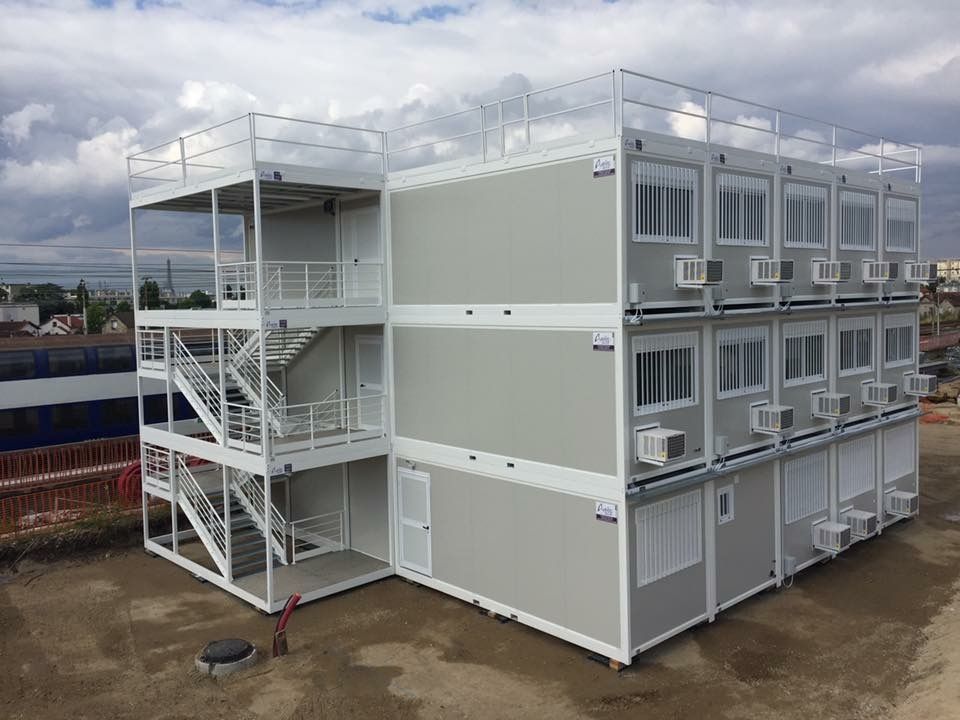
- Multi-container builds — two or more units combined side by side or stacked, commonly used for full-size homes with multiple bedrooms
Our Prefab Cabin is one of our most requested single-unit options — insulated, with electrical and plumbing rough-ins already completed, and finished interior surfaces so it’s usable immediately on delivery rather than requiring months of additional build-out.
What It Actually Costs
Container home pricing varies more than most first-time buyers expect, and the sticker price alone rarely tells the full story. Total cost typically depends on:
- Container condition — new/one-trip containers cost more than used units but come with fewer structural unknowns
- Insulation and finish level — a fully finished, move-in-ready unit costs meaningfully more than a bare shell, but usually less than paying a contractor to finish it yourself
- Electrical and plumbing scope — pre-installed rough-ins reduce the amount of separate contractor work required after delivery
- Delivery distance — freight cost is one of the most variable line items and depends heavily on your specific location
- Foundation and site prep — slab, pier, or footing costs aren’t included in most container home listings and need to be budgeted separately
Generally speaking, container homes land at a lower cost per square foot than traditional new construction, but “cheap” and “cost-effective” aren’t the same thing — a poorly insulated, minimally finished unit can end up costing more in the long run through energy bills and future contractor work.
Is It Legal to Live In? (Permitting and Zoning)
Yes, in the vast majority of jurisdictions — but container homes are not exempt from your local residential building code. Most counties treat them the same as any other dwelling for permitting purposes, which means you’ll typically need to confirm:
- Zoning approval for the structure type on your specific parcel
- A building permit covering electrical, plumbing, and structural work
- Foundation requirements specific to your soil type and local code
- Setback and minimum square footage requirements, which vary significantly by county
We always recommend calling your local building department before purchasing, not after — permitting rules for alternative construction types vary widely even between neighboring counties.
Delivery and Site Preparation
Once a container home is ordered, it’s built and finished off-site, then delivered as a completed (or near-completed) unit rather than assembled piece by piece on location. That’s part of what makes the timeline so much faster than conventional construction — but it also means site access matters more than people expect.
Before delivery, you’ll typically need:
- A cleared, accessible path for a flatbed or crane truck
- A prepared foundation (slab, pier, or footing) ready to receive the unit
- Utility connections (electrical, water, septic or sewer) roughed in or ready to tie into
Get a real freight quote for your specific address early in the process. Delivery costs vary substantially based on distance and site accessibility, and it’s one of the easiest line items to underestimate when comparing prices between sellers.
How to Compare Container Home Listings
Not all listings marketed as “container homes for sale” are built to the same standard, and comparing on price alone is where most buyers get burned. When evaluating a listing, ask specifically about:
- Insulation type and R-value — “insulated” by itself isn’t a spec
- What’s pre-installed vs. what requires a separate contractor — electrical and plumbing scope varies widely
- Interior finish level — flooring, wall surfaces, fixtures included or not
- Warranty coverage — what’s covered, for how long, and by whom
- Delivery terms — whether freight is included in the quoted price or billed separately
Our Prefab Cabin is a useful benchmark for this comparison, since it’s more built-out than most base container listings on the market — a helpful reference point for understanding what “finished” should actually mean before you commit to a specific seller.
Frequently Asked Questions
How long does it take to get a container home delivered? Because fit-out happens off-site in a controlled environment, most finished units are ready for delivery in weeks rather than the many months a custom build typically requires — though exact timelines depend on customization level and current order volume.
Do container homes hold their value? Well-built, properly permitted container homes on a permanent foundation tend to hold value similarly to comparable small conventional homes in the same market. Poorly finished or improperly permitted units can be harder to resell or finance.
Can I finance a container home like a traditional mortgage? Financing options vary by lender and depend heavily on whether the unit is permanently affixed to a foundation and classified as real property in your jurisdiction. Talk to a local lender early in the process to understand your options.
What’s the difference between a “converted container” and a prefab container home? A converted container is typically a raw or lightly modified unit that still requires most fit-out work after purchase. A prefab container home, like our Prefab Cabin, arrives with insulation, rough-ins, and finishes largely or fully completed.
Where to Go From Here
If you’ve made it this far, you’re past the “is this even a real option” stage and into serious comparison shopping — which is exactly where this guide is meant to leave you. For a buyer’s-eye account of what surprised us most while researching this space, our piece on Medium, I Looked Into Shipping Container Homes for Sale — Here’s What Surprised Me, covers a lot of the same ground from a more personal angle.
View the full selection of shipping container homes for sale and see exactly what your budget gets you before you commit to a build. The gap in finish level and price between sellers is wider than most buyers expect going in — comparing the full lineup side by side is the fastest way to make sure you’re not paying more for less house.
